Space Force Kills OCX GPS Ground Control; Lockheed Martin Legacy System Continues
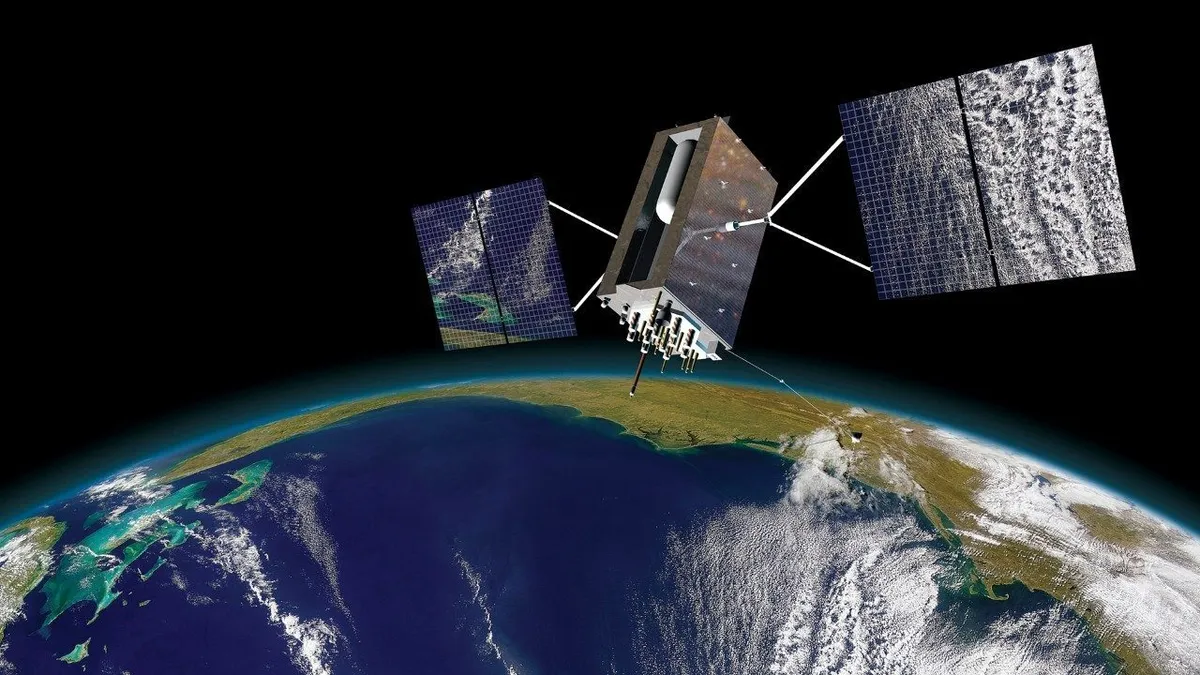
GPS modernization directly underpins precision strike accuracy and targeting latency in contested environments. With OCX dead and legacy systems locked in place, any future precision munition deployment (JDAM LR, LRASM, standoff weapons in the Middle East) depends on GPS resilience that the Pentagon now cannot actively harden.
In a Taiwan or Iran scenario where jamming is expected, the U.S. military will operate with GPS infrastructure it cannot upgrade mid-conflict—forcing reliance on inertial guidance and terminal seekers that cost more and perform worse than GPS-corrected systems.
This is a sunk-cost capitulation, not a strategic pivot.
OCX was supposed to replace aging GPS infrastructure built in the 1980s—a modernization the building has been chasing for over a decade with billions in sunk investment. Killing it means GPS command-and-control remains locked into a Cold War-era architecture that cannot be upgraded without a full program restart.
For contested environments (Taiwan, Middle East, Indo-Pacific), GPS jamming and spoofing are live threats; a system that cannot be modernized without a generational replacement cycle is a readiness liability. Lockheed keeps the sustainment revenue stream, but the Pentagon loses the only path to a modernized, resilient GPS backbone.
The real cost isn't the program cancellation—it's the 5-7 year delay before a successor program gets funded, during which adversary anti-GPS capabilities will only improve.
What specific technical failure mode made OCX 'insurmountable'—software architecture, integration with legacy hardware, or cost growth past the point of political recovery? The answer determines whether a restart program can avoid the same pitfall or whether GPS modernization is genuinely blocked.
Fault Lines
Strategic intelligence, synthesized daily — with a public track record. Every call graded against what actually happened.