U.S. Military Laser Strike Downs CBP Drone Near Mexico Border
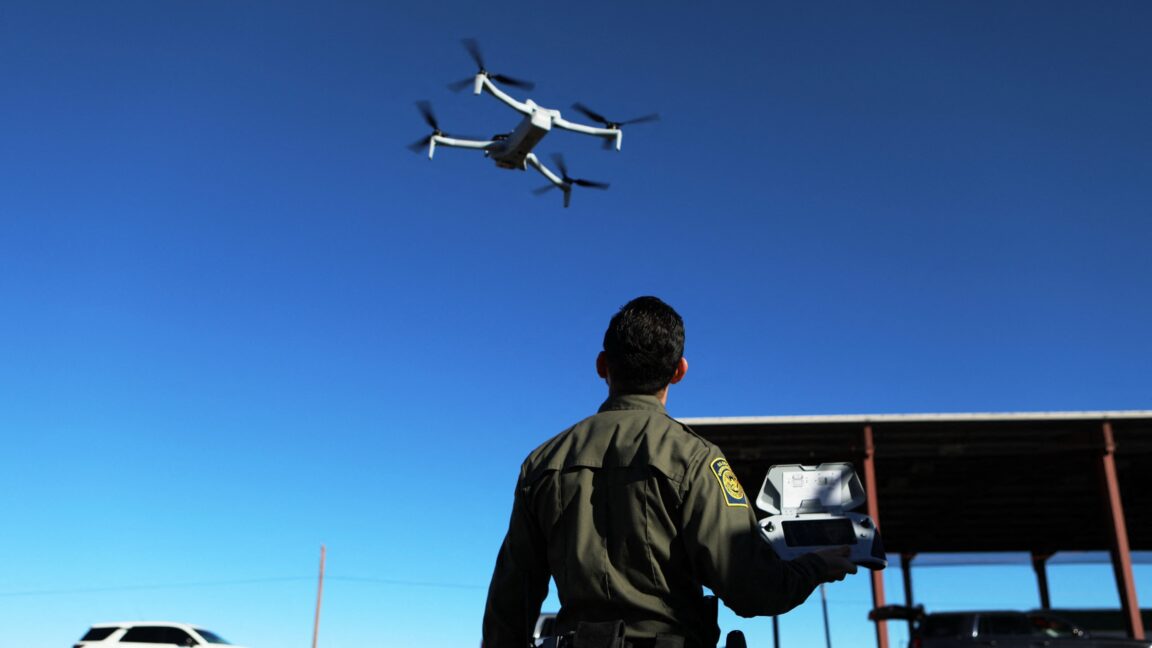
Friendly-fire incidents in peacetime airspace force DoD to choose between restricting laser deployment (reducing capability readiness) or implementing costly real-time coordination systems with other U.S. agencies. If DoD opts for restriction, it delays the operational maturation of directed-energy weapons in contested zones where such systems are planned for integrated air defense.
If it opts for coordination infrastructure, it creates a procedural model that must be replicated with allied militaries in forward areas — adding timeline and cost to multi-domain operations planning.
This incident exposes a critical gap in airspace deconfliction between CBP (a Homeland Security agency) and DoD laser systems operating in overlapping zones.
If CBP and DoD lack formal procedures or real-time coordination for drone operations near the border, similar losses are likely to recur — degrading CBP's border surveillance capability and forcing either operational restrictions or costly procedural redesigns.
The incident also surfaces a readiness question: if a U.S. military system destroyed a U.S. asset without detection or prevention, the laser's targeting protocols may lack adequate safeguards for mixed-agency airspace. This could delay or restrict deployment of similar systems in other contested zones (e.g., Taiwan Strait, Korea) where allied and U.S. forces operate in proximity.
The article does not identify which military laser system was involved, when the incident occurred, whether it was a test or operational deployment, or what CBP and DoD are doing to prevent recurrence.
Fault Lines
Strategic intelligence, synthesized daily — with a public track record. Every call graded against what actually happened.