Hegseth Faces Lawmakers on Iran War Costs, War Powers Deadline Looms
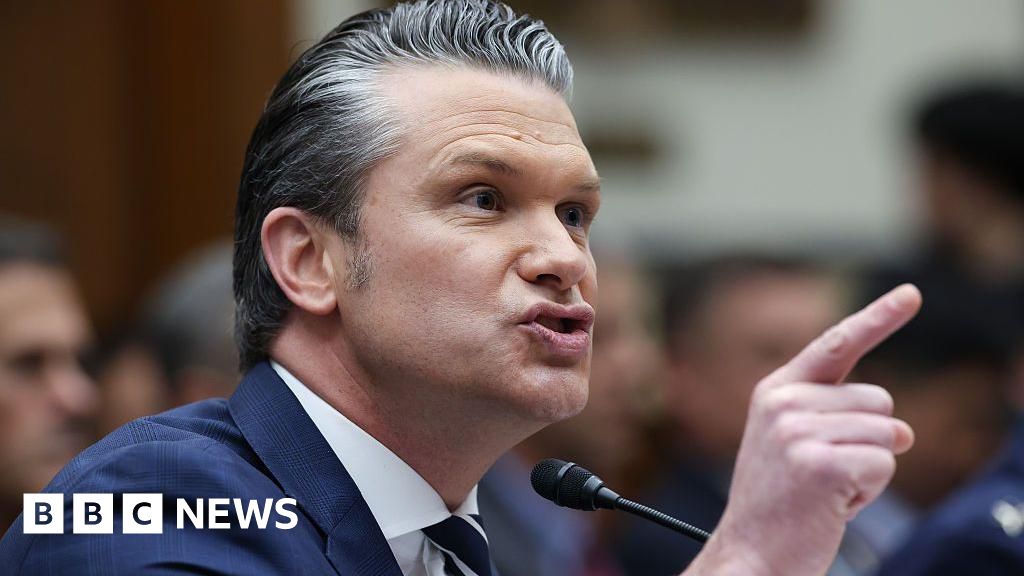
The War Powers standoff directly affects FY27 budget construction. If Congress forces a supplemental appropriation rather than accepting a reauthorization, the Hill will attach riders on Iran policy, Lebanon ceasefire terms, or energy sanctions—converting a procedural deadline into a leverage point for defense hawks or doves.
This also delays munition replenishment contracts (Raytheon, GD, Northrop) that depend on supplemental funding; if the authorization fight stretches into May, LRIP contracts for cruise missiles and standoff munitions slip into Q3, compressing industrial base production windows.
Hegseth's refusal to specify conflict duration or seek War Powers authorization signals the administration will likely invoke the 60-day clock without requesting extension, forcing a political confrontation with Congress rather than a negotiated authorization.
This matters because it strips the legislative branch of formal input on a war now consuming $3.1 billion per week—money that comes out of FY26 appropriations with no supplemental passed. If Congress balks at the implied extension, the administration faces either a shutdown or a backroom deal that trades War Powers compliance for something else (likely a blank check on Iran policy).
Hegseth's stonewalling on duration also tells you the building hasn't settled on an exit condition—which means ordnance burn rates will remain elevated and procurement timelines for munition replenishment will compress.
Did Hegseth or the Pentagon provide any estimate of remaining Iranian military capability, or are they operating blind on the asymptotic cost of attrition against a dispersed adversary?
Fault Lines
Strategic intelligence, synthesized daily — with a public track record. Every call graded against what actually happened.