Air Force Airlift Modernization Lags; C-5/C-17 Replacement Competes for Shrinking Budget
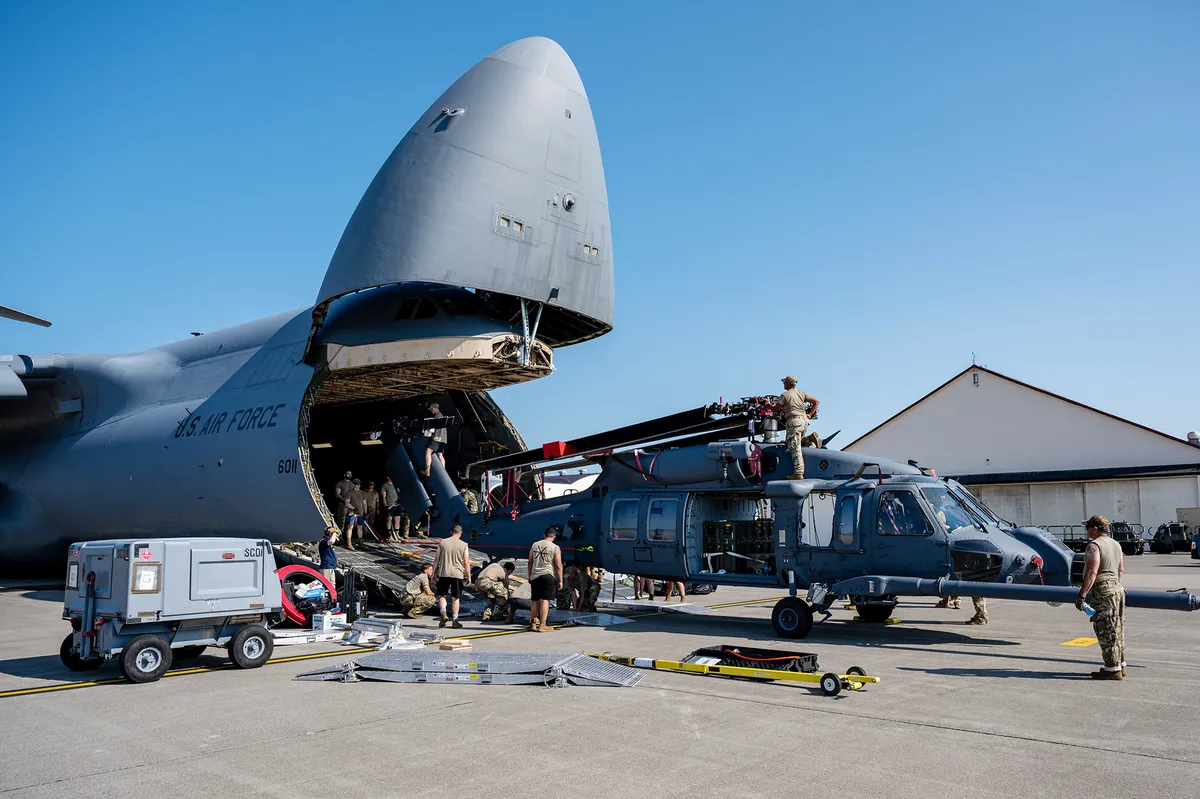
Airlift delays compress the operational window for contested logistics in a Taiwan or Baltic contingency, forcing Pacific and European Commands to rely on extended-range tanker support or pre-positioned sealift — both of which are also constrained resources.
If NGA selection slips beyond 2027-2028, the Air Force will need to extend C-17 production or negotiate sustainment contracts beyond current plans, shifting capital from other modernization accounts and signaling to allies (Japan, South Korea, Poland, Romania) that US rapid-response capability is degrading.
Strategic airlift is a critical enabler for force projection across all theaters — delays in modernization directly constrain contingency response timelines, particularly for Pacific and European scenarios.
The budget friction suggests Air Force leadership is signaling NGA as a lower priority than other modernization programs (likely NGAD, B-21, or space initiatives), which could push fleet replacement timelines beyond current force structure plans.
Lockheed Martin (C-5 and C-17 prime), Boeing (potential NGA competitor), and Airbus (if international variants are considered) will track whether this statement precedes a formal RFP delay or descope. The critical unknown is whether "behind" means 1-2 years or 5+ years — that determines whether existing C-5/C-17 sustainment contracts extend or whether primes must plan for accelerated retirement of legacy airframes.
The article does not specify: (1) how far behind schedule the program is (months or years), (2) whether a formal NGA RFP timeline exists or has slipped, (3) which competing modernization programs are winning the budget battle, (4) the current fleet age profile and when the first C-5/C-17 airframes b...
Fault Lines
Strategic intelligence, synthesized daily — with a public track record. Every call graded against what actually happened.