EUCOM Commander Sets 2035 Deadline for European NATO Conventional Independence
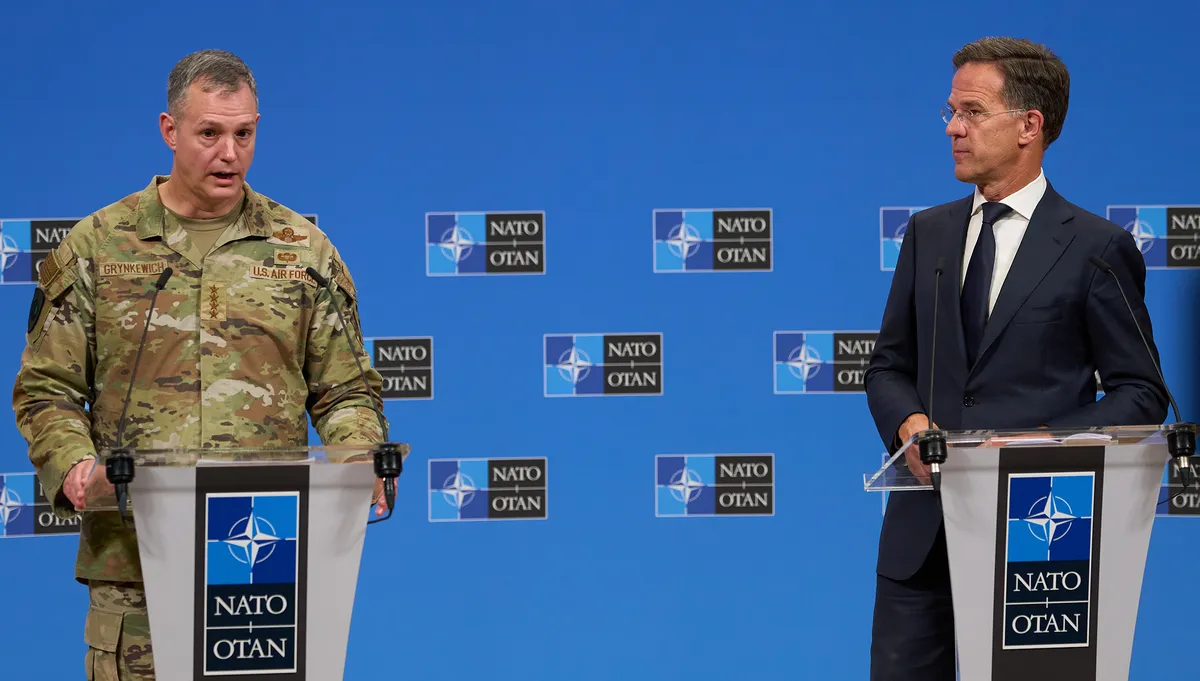
The 2035 timeline directly constrains NATO procurement cycles: if European nations interpret this as a commitment to U.S. withdrawal from conventional force-forward presence, they will accelerate multi-year contracts for air defense systems (Patriot, THAAD, IRIS-T) and long-range strike assets (ATACMS, Storm Shadow) starting in FY27-28 budget cycles.
This creates a 7-9 year demand surge for allied defense contractors, but also a procurement cliff when European production capacity must replace U.S. supply.
This statement arrives while Qatar's helium production (30% of global supply) remains offline from Iranian strikes, SK Hynix faces semiconductor inventory constraints, and U.S. bunker-busters are being loaded for continued strikes on Iranian nuclear infrastructure.
A 9-year European independence timeline creates a procurement window that must account for: (1) whether allied nations accelerate air defense and long-range strike capability purchases before 2035 to close capability gaps now exposed in the current conflict; (2) whether U.S. defense contractors (RTX, Lockheed, Northrop) see this as a market signal to front-load European sales of air defense systems, missiles, and ISR platforms; (3) whether the statement reflects confidence in European NATO's near-term readiness or acceptance of reduced U.S. regional presence during a period of great-power competition elsewhere.
The 2035 date is a constraint: if Europe's conventional capability remains dependent on U.S. enablers (satellite ISR, electronic warfare, air-to-air refueling) beyond that point, the independence claim becomes hollow.
The article does not specify which capability areas (air defense, strike, ISR, logistics) EUCOM considers achievable by 2035, what capability gaps remain, or whether this timeline assumes continued U.S. nuclear umbrella presence in Europe.
Fault Lines
Strategic intelligence, synthesized daily — with a public track record. Every call graded against what actually happened.